• Skip to primary navigation
  • Skip to main content
  • Skip to primary sidebar

Publish What You FundPublish What You Fund

The Global Campaign for Aid and Development Transparency

  • RSS
  • Youtube
  • LinkedIn
  • Facebook
  • Instagram
  • Bluesky

NEWSLETTER

CONTACT

  • Why it matters
    • Why transparency matters
    • Data use examples
    • Research into aid transparency
    • The Story of Aid Transparency
    • What you can do
    • Case studies
  • Aid Index
    • 2026 Index
    • 2024 Index
    • Comparison Chart
    • Accreditation
    • Methodology
    • Index Archive
    • Tools
    • The Power of the Aid Transparency Index
  • DFI Index
    • DFI Transparency Index 2025
    • DFI Transparency Index 2023
    • DFI Research
    • DFI Transparency Tool
    • Technical Assistance
    • FAQs
  • Our Work
    • Climate Finance
    • Localisation
    • Mobilisation
    • Non-DAC Providers
    • UN Transparency
    • Women’s Economic Empowerment
    • UK Aid Transparency
    • Gender Financing
    • Humanitarian Transparency
  • News
    • Reports
    • News
    • Events
    • Blog
  • About Us
    • Board
    • Team
    • Our transparency
    • Our Funders
    • Jobs
    • Annual Reports
    • Friends of…
    • FAQs
  • Training
Show Search
Hide Search
Home / Our Work / DFI Transparency

DFI Transparency

Driving transparency for better development results

In November 2019, Publish What You Fund embarked on a new initiative aimed at working collaboratively with Development Finance Institutions (DFIs) and other stakeholders to increase the transparency of DFIs. Through this multi-year project, funded by the Bill & Melinda Gates Foundation, we have been looking at the use of public money by DFIs to meet global development goals. As more and more public funding is channelled through private institutions, we are using an evidenced-based, multi-stakeholder approach to advocate for greater transparency and accountability of DFIs.[1]

The scale of DFI finance is significant and growing. The annual non-sovereign, private development investments by multilateral and bilateral DFIs grew from $12 billion in 2000 to $87 billion in 2017 – a sixfold increase.

Development needs have never been greater. The oft-cited financing gap in achieving the Sustainable Development Goals (SDGs) of $2.5 trillion annually makes clear the size of the challenge. Under the Paris Agreement, developed economies committed to mobilising $100 billion a year in climate finance from 2020. Further, the need for development finance has only increased due to the devastating impacts of the COVID-19 pandemic.

In November 2021, we published the findings of our in-depth and collaborative research, based on five work streams. We found that the current state of DFI transparency makes it difficult to see what DFIs are doing, what impact their investments are making, whether they are adhering to their accountability and environmental, social, and governance (ESG) responsibilities, and to what extent they are successfully crowding in the private sector.

Greater transparency can start to lay the foundation for more informed decision making, more accountability and better allocation of resources, including information to assess the development impact of and learnings from DFI investments.

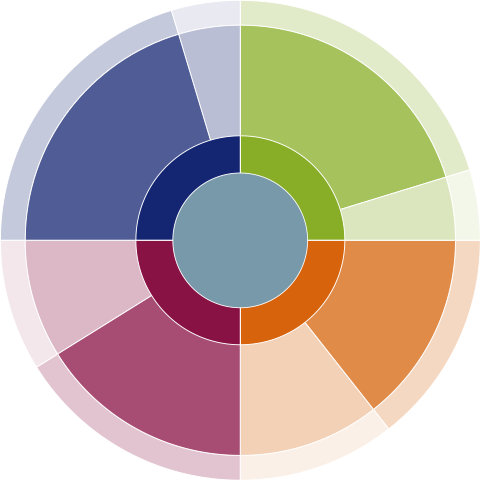
Based on our research and consultations, Publish What You Fund has developed the DFI Transparency Tool, a granular tool that will both help to guide DFI disclosure and provide a framework of analysis for future assessments of the sector. Using the DFI Transparency Tool we will complete a pilot assessment of DFI transparency during 2022 and release a comparative baseline assessment of leading DFIs. Our first DFI Transparency Index will be launched on 25 January 2023.

DFI Transparency Tool

Guiding DFI disclosure for better impact, accountability and markets
View
Download
DFI Transparency Tool

Note:

[1] We use the term DFI to include International Financial Institutions (IFIs), bilateral and multilateral development banks which have either solely public sector investment portfolios, private sector investment portfolios, or a mix of the two. We recognise that there are diverse definitions for what constitutes a DFI, and that the inherent differences in terms of governance and structure are important. For the purposes of this work, we are seeking to include organisations which invest public money and which have developmental impact, poverty alleviation and/or contribution towards the SDGs as part of their core objectives. Understandably we will endeavour to focus our efforts on those organisations which are seen as leaders and norm setters within the DFI community.


Objectives, Approach & Methodology

The main objective of our DFI Transparency Initiative is to increase transparency on the use of public funds, including official development assistance (ODA), for private sector investments through DFIs.

Work Stream 1: Basic Project Information

Work Stream 2: Impact Management - Objectives, Theories of Change & Impacts

Work Stream 3: ESG & Accountability to Communities

Work Stream 4: Value of Investment: Mobilisation & Structure of Deal

Work Stream 5: Financial Intermediaries

Primary Sidebar

Contact

Gary Forster

Gary Forster

CEO

Send an email
Photo of Ryan Anderton

Ryan Anderton

Senior Research Officer

Send an email
Paul James

Paul James

Research Manager - DFI Transparency Initiative

Send an email

Downloads

  • Advancing DFI Transparency - The rationale and roadmap for better impact, accountability and markets
  • Advancing DFI Transparency - Executive Summary
  • DFI Transparency Tool
  • DFI Transparency Initiative WS1: Working Paper on Basic Project Information
  • DFI Transparency Initiative WS2: Working Paper on Impact Management
  • DFI Transparency Initiative WS3: Working Paper on ESG and Accountability to Communities
  • DFI Transparency Initiative WS4: Working Paper on Value of Investment
  • DFI Transparency Initiative WS5: Working Paper on Financial Intermediaries
  • 2023 DFI Transparency Index Methodology
DFI Transparency Index 2025

Ranking the world’s leading development finance institutions

Website
Report

Recent Posts

  • Scale dominated the World Bank annual meetings – but where was the evidence of impact?
    Scale dominated the World Bank annual meetings – but where was the evidence of impact?
    Oct 22, 2026
  • Understanding the new MDB methodology on mobilisation – what’s changed and what are the implications?
    Understanding the new MDB methodology on mobilisation – what’s changed and what are the implications?
    Oct 8, 2026
  • MDB securitisations: transparency must keep pace with financial innovation
    MDB securitisations: transparency must keep pace with financial innovation
    Oct 1, 2026
  • New initiative to assess and strengthen transparency among public development banks in Latin America
    New initiative to assess and strengthen transparency among public development banks in Latin America
    Jul 28, 2026
  • DFI additionality disclosure: More boxes ticked, but is value added?
    DFI additionality disclosure: More boxes ticked, but is value added?
    Jul 16, 2026
  • Contact Us
  • Copyright
  • Privacy Policy
  • RSS
  • Youtube
  • LinkedIn
  • Facebook
  • Instagram
  • Bluesky

Publish What You Fund. China Works, 100 Black Prince Road, London, SE1 7SJ
UK Company Registration Number 07676886 (England and Wales); Registered Charity Number 1158362 (England and Wales)